

No additives.
Just real food,
made by hand.
Made in tiny batches with pure ingredients. Nothing your grandmother wouldn't recognize.




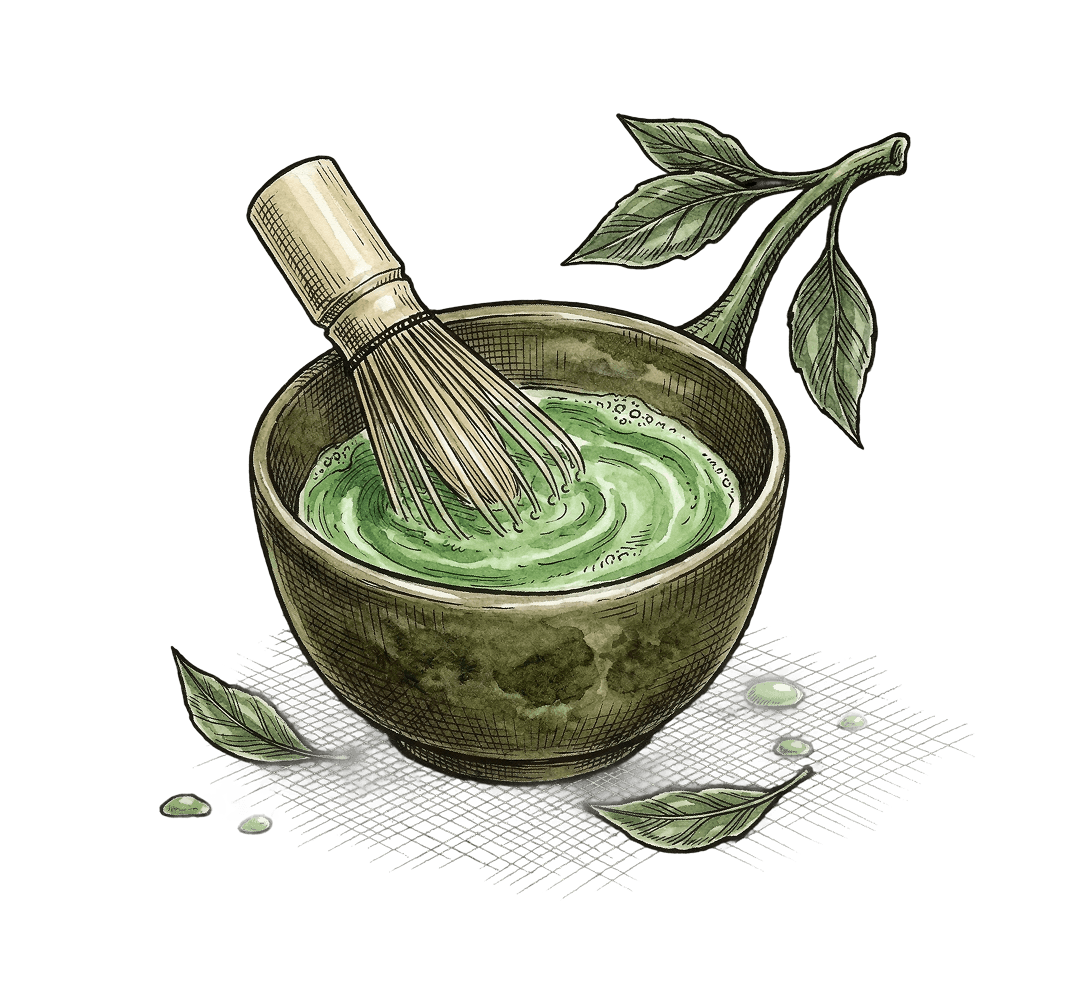


Not just sweet.
Savory too.
Four jars built for the stove: slow-cooked shallot, harissa and pistachio, garam-masala curry and smoky chipotle. Melt a spoonful into a pan, stir it through rice, or finish a tray of roasted vegetables.
- Melt it inA spoonful into curries and simmer sauces.
- Toss it throughRice, grain bowls, noodles.
- Finish with itRoasted veg, eggs, warm flatbread.



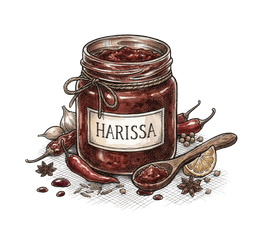
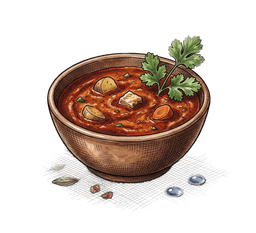

Small batches, nothing hidden.
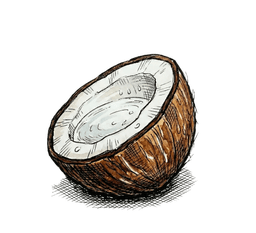
Every jar starts with organic coconut, the whole meat ground smooth, not just the oil.
Made a batch at a time in Missouri, in small runs rather than on a factory line.

Real spices, fruit, nuts and teas. Every ingredient is on the jar and on each product page.

Cardboard boxes, glass jars and metal lids, all recyclable. No bubble wrap, no foam, no plastic fill.
Three shelves of sunshine
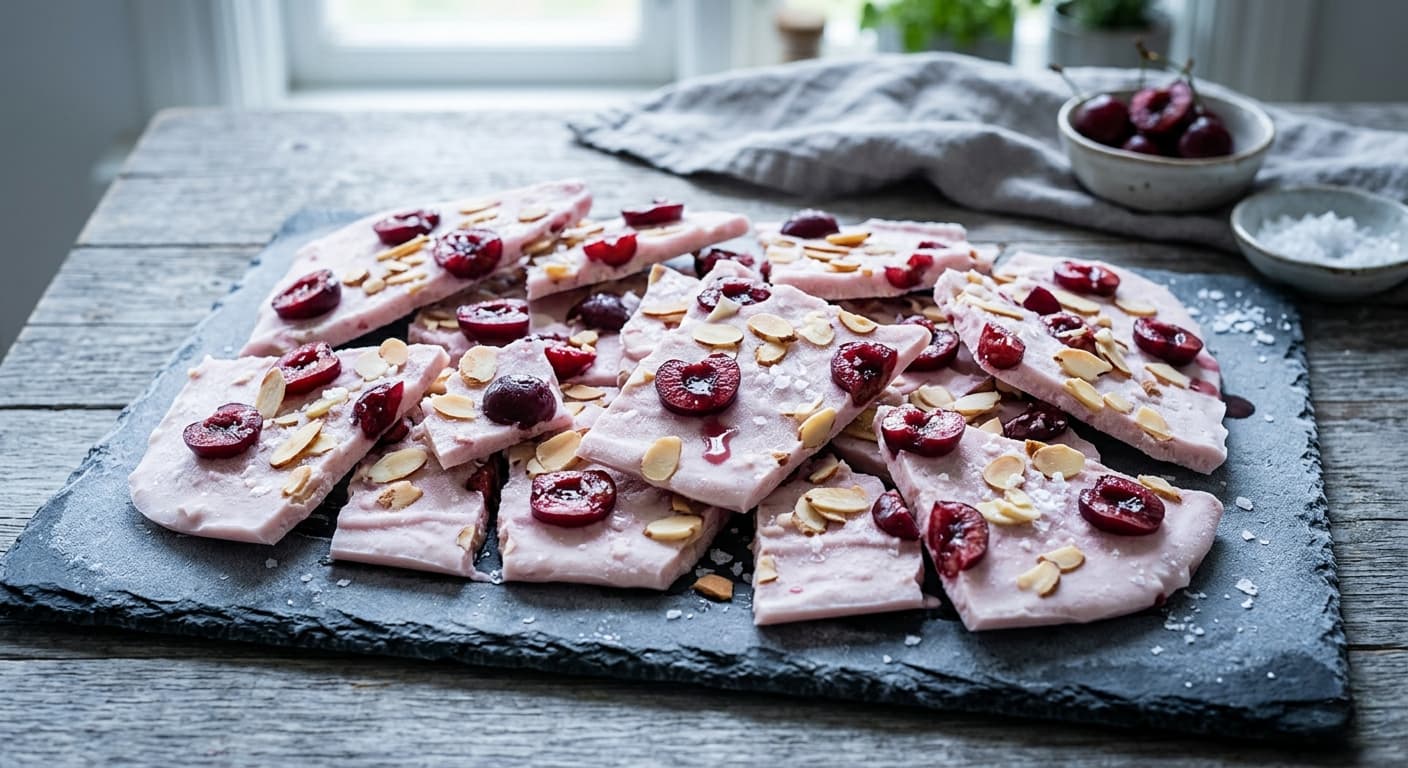
The four jars we reach for every morning. Toasted Coconut, Naked Coconut, Almond Tart Cherry, and Cinnamon Raisin.


Buy more jars.
Save more butter.
Mix any flavors. The discount applies automatically in your cart, and 12+ jars clears free shipping.
Build a Bundle →What to do with a jar.


How to eat it.
Room temperature keeps it firm. A little warmth makes it pourable. Every texture has a job.
- StoreRoom temp
Keep it in the pantry with the lid on. The fridge turns it rock-hard.
- WarmTo soften
Stand the jar in hot water for 2 minutes, or microwave 10 seconds with the lid off.
- DrizzleOver everything
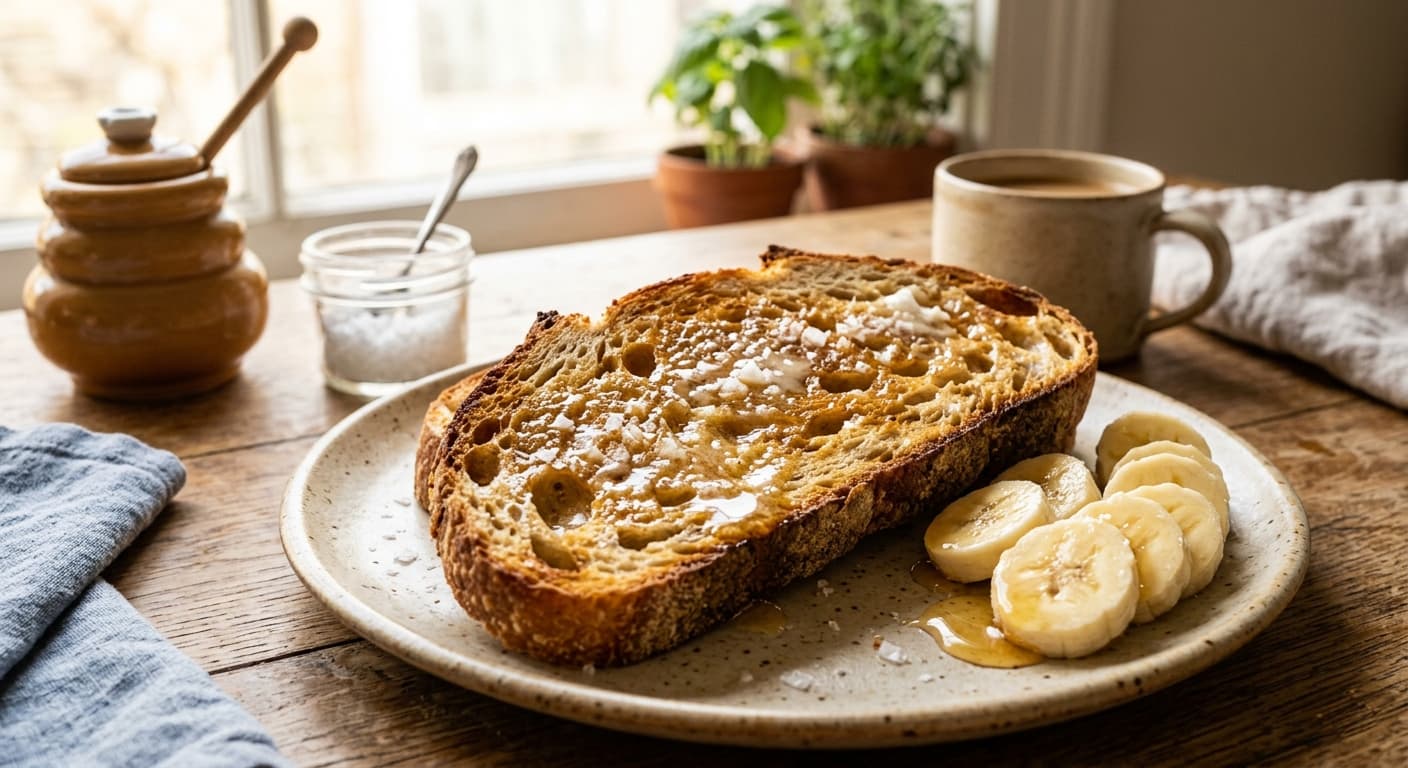
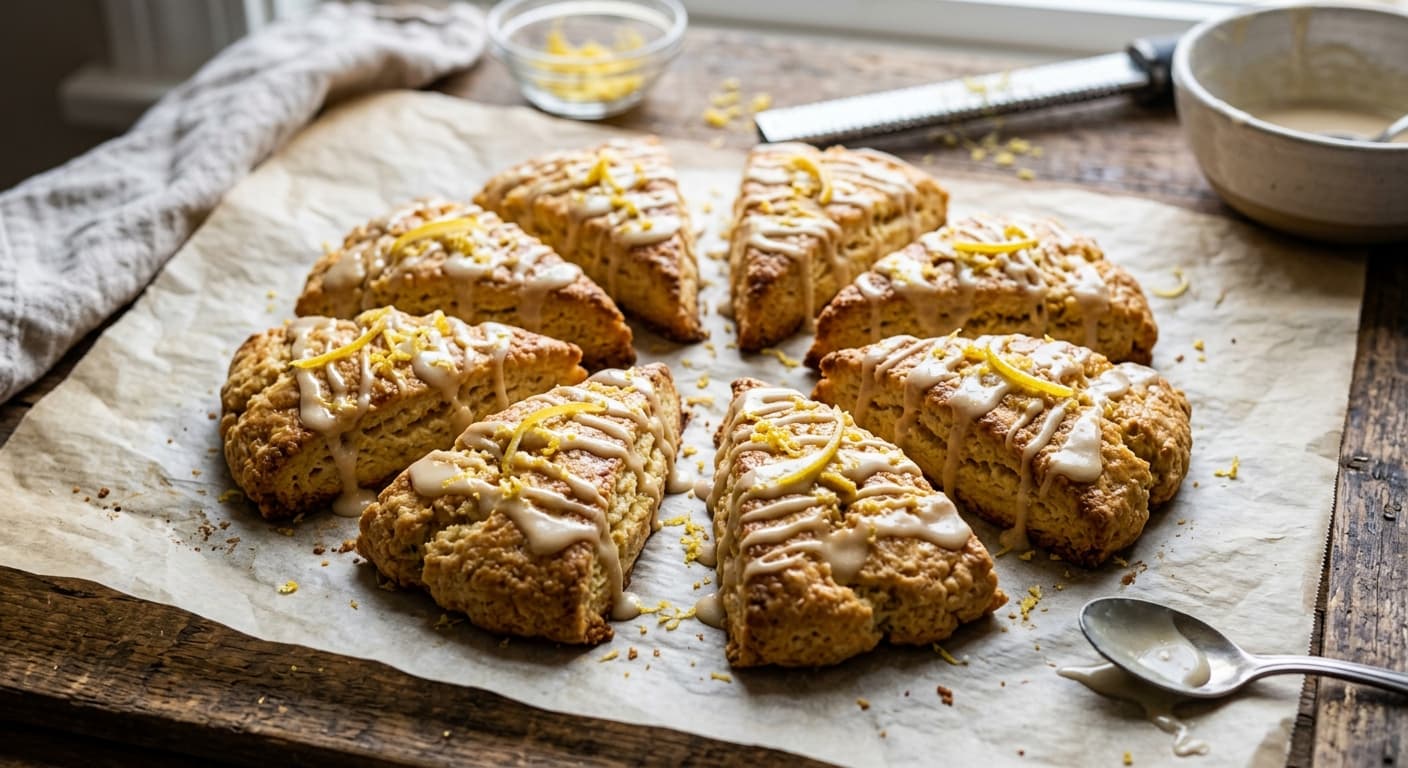
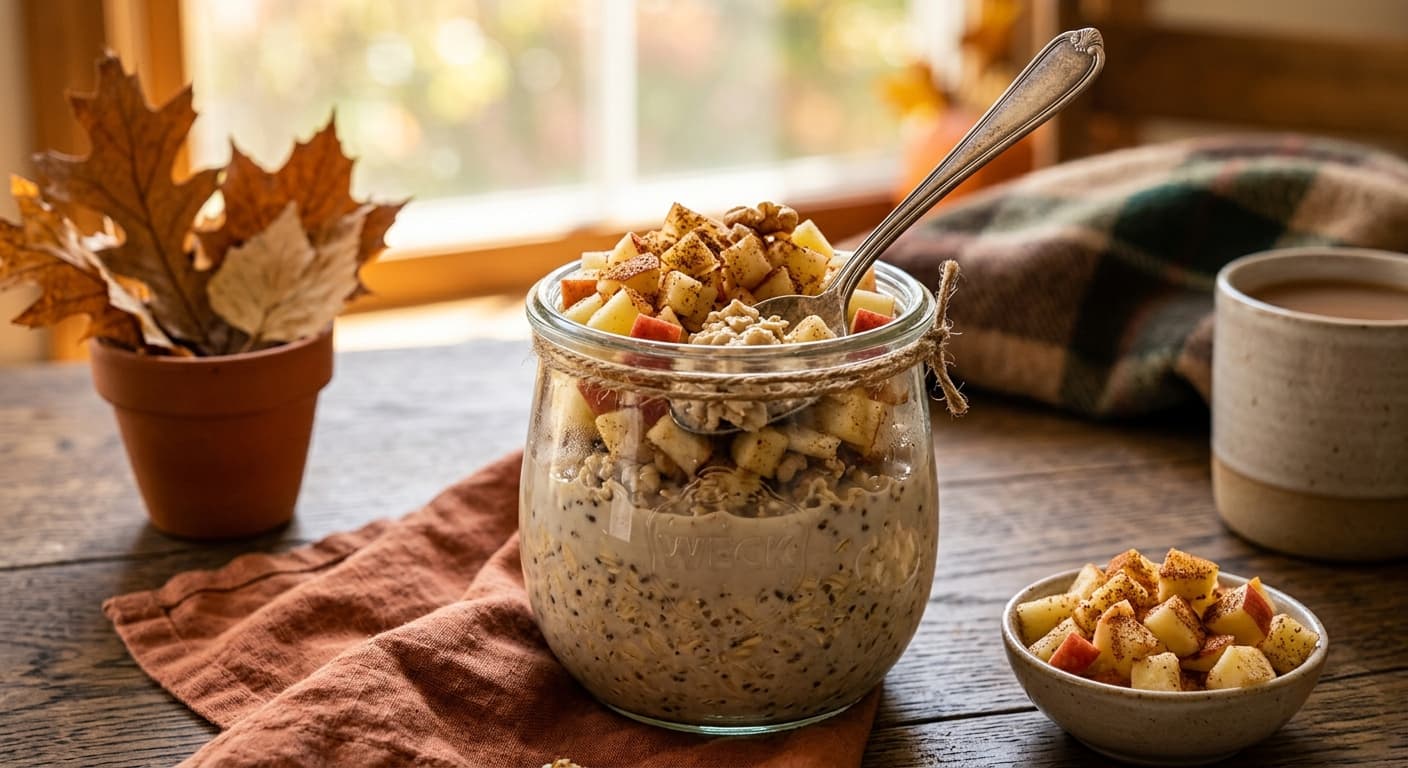
Once pourable, ribbon it over oats, toast, pancakes, ice cream or fruit.
- SpoonJust as is
Straight from the jar. No toast required, and no judgment either.




From island farms
to your pantry.
Every jar starts with organic coconut grown in Sri Lanka and Indonesia and sourced through farmer cooperatives. We use the whole coconut meat, not just the oil, then flavor it with spices, fruit, nuts and teas. Everything that goes in is listed on the label.
- Sri Lanka & IndonesiaOrganic coconut, cooperative-grown
- MissouriGround, flavored and jarred in small batches
- Your pantryShipped in cardboard and glass, no plastic fill



Give a box of sunshine.
Every collection is four jars picked to go together. The four jars we reach for every morning. Toasted Coconut, Naked Coconut, Almond Tart Cherry, and Cinnamon Raisin.
- Four 9oz jars in a hand-stamped kraft gift box
- Add a free gift note in your cart
- Ships anywhere in the US and Canada
The quiet spread.
Coconut butter is the whole coconut meat, ground until it turns creamy. The flesh, its fiber and its natural oil all stay together. Coconut oil is only the fat, pressed out and separated.
Our flavors start there and add spices, fruit, nuts or teas, each one listed on the jar.
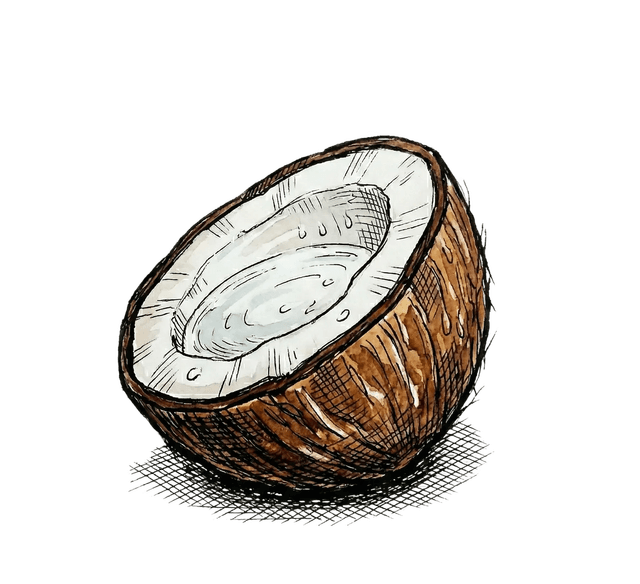
- The meatGround whole into a creamy spread, never pressed and thrown out.
- The fiberUp to 2g per serving. Coconut oil has none. Exact figure on each jar.
- The natural oilKept in, which is why it firms up when cool and pours when warm.
Coconut butter vs. coconut oil.
Same fruit, very different jars. Coconut oil is only the extracted fat. Coconut butter keeps the whole coconut meat, fiber and all. One you cook with, one you eat with a spoon.
Coconut butter, 101.
The jar at a glance. Figures are per 2 Tbsp (28g) serving across the whole range; each jar's exact panel is on its product page.
Every jar starts from whole coconut with no gluten ingredients. Most are plant-based; four include dairy, and each product page flags it.
From our pantry to yours.
Real reviews from people who've had a spoon (or three). Tried a jar? We'd love to hear what you think.
Five stars! If you like coconut, you need this. The toasted flavor makes it much more interesting than standard coconut manna. It’s rich, smooth, and honestly tastes like the inside of a premium candy bar without all the added junk. Highly recommend!
You asked.
We answered.
A real person reads every message, and we usually reply within one to two business days.
Send us a note →or call (855) 562-4256